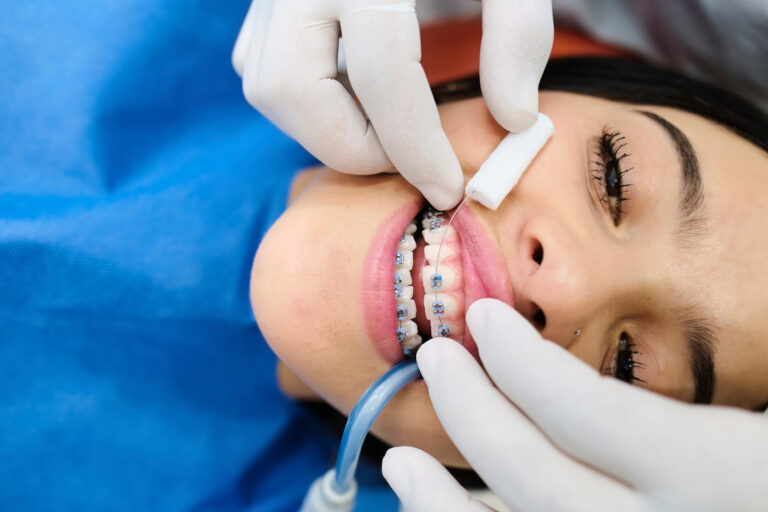
If you’ve ever had braces (or cared for someone who has), you know that maintaining fresh breath can become a real challenge. Orthodontic appliances are essential for correcting misaligned teeth, but they also create the perfect environment for halitosis (bad breath) to thrive.
So what’s causing it – and what can be done beyond extra brushing and rinsing?
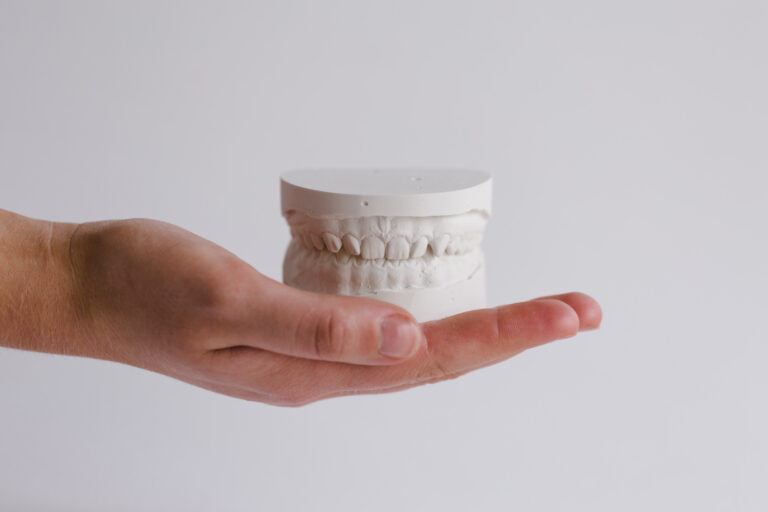
The human jaw has been shrinking through evolution. As we transitioned from hunter-gatherers to modern diets and lifestyles, our jaw size reduced, but our teeth count didn’t. This mismatch contributes to overcrowded, misaligned teeth, making orthodontics increasingly common.
In fact, over 50% of people require orthodontic treatment, according to clinical studies. Braces help correct misalignment, but they also introduce new hygiene challenges.
Why Braces Increase the Risk of Halitosis
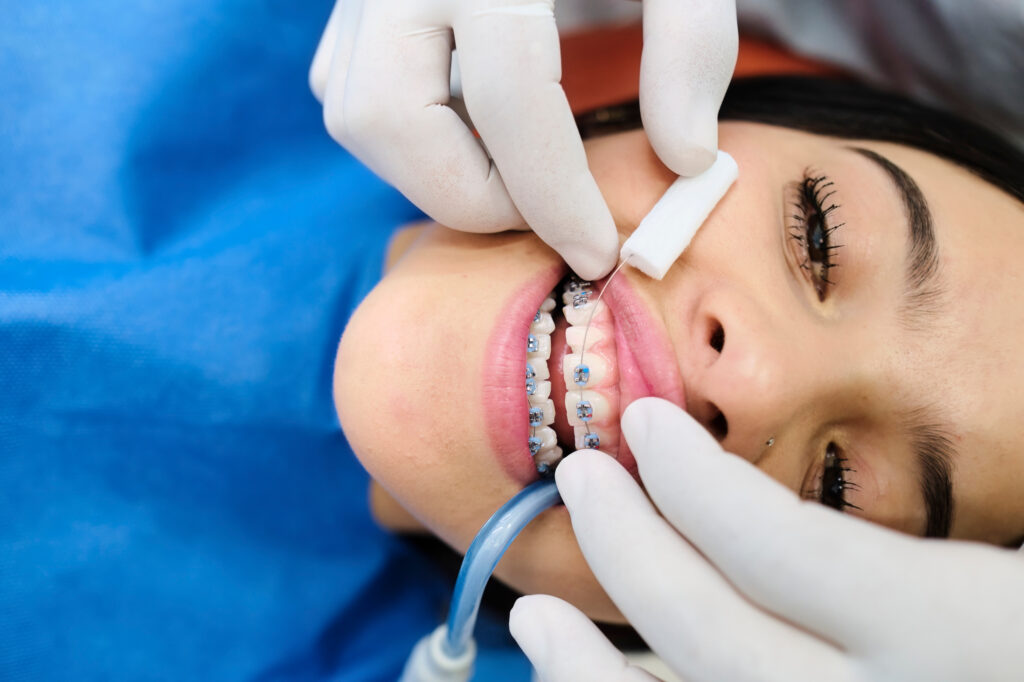
Braces create additional surfaces and spaces where food debris and plaque can accumulate. These trapped particles are difficult to remove, even with diligent brushing and flossing.
This build-up encourages the growth of anaerobic bacteria, which produce volatile sulphur compounds (VSCs) such as hydrogen sulphide and methyl mercaptan – the primary culprits behind that unpleasant “bad breath” smell.
What Are Volatile Sulphur Compounds (VSCs)?
VSCs are gases released by specific bacteria as they break down proteins in the mouth. The presence of orthodontic devices can amplify this process, especially in the absence of thorough oral care.
But what if there were a way to balance the oral microbiome to naturally reduce these bacteria?

BLIS M18™, a targeted strain of Streptococcus salivarius, is a precision probiotic developed to support oral health by modulating the bacteria responsible for bad breath.
Recent studies have shown that when BLIS M18™ is co-cultured with VSC-producing bacteria, it significantly reduces the levels of hydrogen sulphide and methyl mercaptan. This makes it a promising adjunct to traditional oral hygiene, especially for people wearing braces.
Clinical Evidence that BLIS M18™ Works
In a randomised, triple-blind, placebo-controlled clinical trial, researchers tested the effect of BLIS M18™ in a group of 64 patients aged 10–30 with orthodontic braces. Participants took either BLIS M18™ lozenges or a placebo daily for one month.
Key findings:
- Both groups saw reduced VSC levels at 1-month check-in.
- At the 3-month follow-up, the placebo group’s bad breath returned to baseline.
- The BLIS M18™ group showed further reduction in VSCs—suggesting a long-term probiotic benefit.
Why BLIS M18™ Matters for Orthodontic Patients
For dental professionals, product formulators, and caregivers, BLIS M18™ offers a new way to tackle an age-old problem. It works at the microbial level, enhancing patient outcomes without altering their orthodontic routine.
It’s not just about masking bad breath—it’s about restoring microbial balance, reducing the source of halitosis, and giving patients confidence during treatment.
The evidence is clear: BLIS M18™ is a clinically validated oral probiotic that reduces halitosis in individuals with braces by decreasing the production of harmful VSCs.
For brands and professionals in the oral health space, BLIS M18™ provides:
- A science-backed product to complement braces-care regimens
- A differentiated solution in a competitive market
- A trustworthy alternative to temporary fixes like rinses or breath sprays
Ready to Innovate in Braces Care?
To learn more about integrating BLIS M18™ into your product line or clinical practice, contact our team or explore our precision probiotic solutions here.