
The oral probiotic category is growing, but outcomes across products and strains remain inconsistent. Two finished goods with similar label claims can perform very differently in trials, on shelf, and in repeat purchase. The reason is almost always the same: most strains marketed as oral probiotic supplements were never selected, characterized, or formulated to actually colonize the mouth.
For formulators and brand teams evaluating ingredients, understanding why colonization is hard clarifies what separates a credible oral probiotic from a gut-strain rebrand — and where the evidence bar should sit.

The oral cavity is not a passive surface. It is a fast-flow, mechanically disrupted, chemically dynamic environment with an established resident microbiome that resists newcomers. Several factors work against incoming strains:
Saliva clears them. Unstimulated salivary flow turns over the entire oral fluid volume roughly every few minutes. Anything that doesn’t bind to a surface — tooth enamel, the soft tissue of the gums, the tongue, or the tonsillar crypts — is swallowed within minutes of consumption.
The resident biofilm is already there. A mature dental plaque biofilm is a tightly co-aggregated community with established adhesion to teeth surfaces and to each other. Pioneer colonizers like Streptococcus sanguinis and Streptococcus mitis occupy the receptor sites that a newcomer would need to bind to. An incoming strain has to compete for real estate that’s already taken.
Mechanical disruption is constant. Eating, drinking, brushing, and even tongue movement physically shear loosely attached cells off oral surfaces. Adhesion has to be strong enough to survive this — most gut-adapted strains have no mechanism for it.
The chemistry shifts hour to hour. Oral pH, oxygen tension, and substrate availability change with every meal. Strains optimized for a stable colonic environment encounter conditions they aren’t built for.
For most probiotic strains on the market — the vast majority of which are gut-derived Lactobacillus and Bifidobacterium species — none of these challenges were design constraints. They were selected for a different ecological niche entirely.

A strain credibly positioned for oral probiotic supplements needs three things working together: it has to originate from the oral cavity, it has to adhere to the right surfaces, and it has to do something useful once it’s there.
Origin matters. Strains isolated from healthy human oral microbiomes are, by definition, already adapted to surviving and persisting in the mouth. Streptococcus salivarius is the most abundant species on the tongue dorsum of healthy people; strains from this species have a starting biological fit that gut isolates do not.
Adhesion needs a mechanism, not a label claim. Adhesion to teeth surfaces and to soft tissue is mediated by specific surface proteins and adhesins. Without published characterization of how a strain binds — and evidence that it persists post-consumption — “oral probiotic” is shelf positioning, not biology.
The strain has to do work. Persistence alone isn’t the outcome consumers and clinicians care about. The question is what the strain does while it’s there: does it produce bacteriocins that suppress odor-causing or cariogenic species? Does it contribute to plaque acid production modulation that protects enamel? Does it support gum health benefits through interaction with the host immune response? These mechanisms need clinical evidence in humans, not just in vitro.
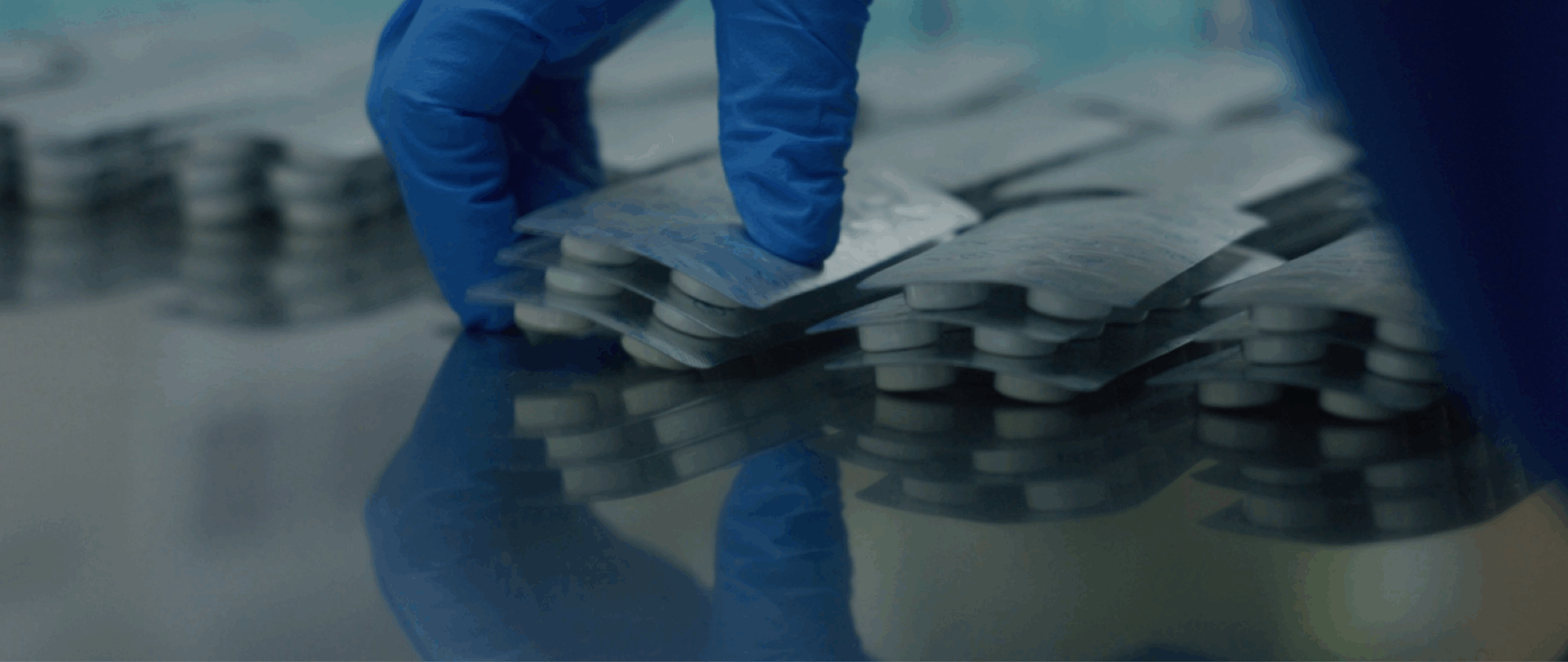
Even a well-selected strain can fail in a finished product if the format is wrong. Dental supplement formulation stability is where a meaningful share of category underperformance originates.
The core constraints:
A brand evaluating an oral probiotic ingredient should expect the supplier to provide stability data in the intended format, not generic stability data from a reference matrix.
The inconsistency consumers experience across oral probiotic products is not a category problem. It is a strain-and-formulation problem. When you put a non-oral strain in a swallow-format capsule, the predictable result is a product that does very little for gum health or cavity risk, regardless of what the label says.
The strains that work — and where the published clinical evidence sits — share a common profile. They were isolated from the healthy human oral microbiome. Their adhesion and persistence have been characterized. Their mechanism (bacteriocin production, immune modulation, plaque acid production modulation) is documented. And they are formulated in dose forms that give them contact time with the surfaces they need to act on.
Streptococcus salivarius BLIS K12™ and BLIS M18™ were developed against exactly this brief. Both originate from healthy oral microbiomes. Both have published evidence of oral colonization following consumption. BLIS K12 has clinical support for throat and breath outcomes; BLIS M18 has clinical support for gum and dental outcomes through plaque acid production modulation and its effect on the cariogenic species Streptococcus mutans. Both are formulated and supplied for oral-contact dose forms — lozenges, chewables, and slow-dissolve formats — not capsules designed to pass the mouth.
For a brand entering oral probiotics, the practical filter is simple: ask where the strain came from, ask for human evidence of oral persistence, ask for stability data in the format you intend to launch in, and ask what the strain is doing while it’s there. Strains that can answer all four questions are the ones that produce consistent outcomes. The rest are why the category looks inconsistent.
Further reading: