
Choosing the right oral dosage form for a probiotic supplement is one of the most consequential decisions in the formulation process. Moisture, heat, oxygen exposure, and excipient compatibility all determine whether live microorganisms remain viable from production through the end of shelf life. For dietary supplement manufacturers and nutraceutical ingredient buyers, understanding how each dosage form protects or compromises oral probiotic stability is essential to delivering a product that performs as labelled.

This guide walks you through every major oral dosage form used in probiotic supplements, explains the formulation challenges unique to each, and outlines the packaging, excipient, and storage strategies that protect viability. You will also find practical guidance on strain selection, shelf-life validation, and how to evaluate formulation partners.
Key Takeaways: Oral Probiotic Dosage Forms
- Lozenges and chewable tablets deliver oral probiotics directly to the mouth and throat, where site-specific strains can colonise immediately.
- Capsules protect freeze-dried cultures from moisture and oxygen, but shell material and sealing quality significantly affect long-term viability.
- Powder formats offer flexible dosing and lower processing stress, though they require moisture-barrier packaging to maintain CFU counts.
- BLIS Technologies supplies clinically proven Streptococcus salivarius BLIS K12 and BLIS M18 strains as freeze-dried powders with a 24-month fridge-free shelf life.
- Successful probiotic formulation depends on matching strain characteristics, dosage form, packaging barrier, and real-world distribution conditions.
Why Oral Dosage Form Selection Matters for Probiotic Stability
Probiotics are living microorganisms. Unlike vitamins or minerals, they can lose viability when exposed to moisture, heat, oxygen, or incompatible excipients. The dosage form you choose determines how much protection those organisms receive during manufacturing, storage, and transit.
A poorly matched dosage form can force manufacturers to add excessive overages, sometimes up to ten times the label claim, to compensate for predicted die-off. That inflates raw material costs, creates batch-to-batch variability, and may deliver an inconsistent consumer experience.
Selecting the right format from the outset reduces overage requirements, simplifies quality control, and helps you guarantee CFU counts at the end of shelf life rather than only at the time of manufacture.
What Are the Main Oral Dosage Forms for Probiotic Supplements?
Probiotic supplements are available in several oral dosage forms, each with distinct advantages and limitations. The most common formats include hard-shell capsules, tablets, lozenges, chewable tablets, powders, sachets, and stick packs. Softgels and liquid formats are less common due to inherent moisture challenges.
Your choice of format depends on the target site of action, consumer preference, strain sensitivity, production capabilities, and distribution logistics. A probiotic intended for the gut requires gastric protection, while a strain targeting the oral microbiome benefits from a slow-dissolving lozenge or chewable that deposits organisms directly in the mouth and throat.
Hard-Shell Capsules
Hard-shell capsules are the most widely used format for probiotic dietary supplements. They provide a physical barrier against moisture and oxygen, making them well suited for freeze-dried cultures. HPMC (hydroxypropyl methylcellulose) capsules are generally preferred over gelatin for probiotics because they offer lower moisture content and are compatible with vegetarian and vegan formulations.
Enteric-coated capsules add a second layer of protection by preventing dissolution in stomach acid, allowing probiotic organisms to reach the intestinal tract intact. This is particularly valuable for strains intended to colonise the lower gastrointestinal tract.
The primary stability concern with capsules is moisture migration from the shell into the fill material. Even low levels of free water can reactivate freeze-dried organisms prematurely, reducing viability over time. Selecting a low-moisture shell, incorporating desiccants, and using moisture-barrier packaging all help manage this risk.
Tablets
Compressed tablets offer cost-effective, large-scale production. They are easy to transport, can carry a high dose in a compact form, and are familiar to consumers. However, the compression process itself generates heat and mechanical stress that can damage sensitive probiotic cultures.
Temperatures during tablet compression can reach up to 60°C, which exceeds the tolerance threshold of many Lactobacillus and Bifidobacterium strains. To mitigate this, manufacturers may use spore-forming organisms such as Bacillus coagulans, which tolerate heat and pressure, or they employ low-compression techniques and protective coatings.
Enteric or film coatings applied post-compression can improve gastric survival, but they add production steps and cost. Tablet formulations also tend to have higher water activity than capsules, which makes shelf-life monitoring especially important.
Lozenges and Chewable Tablets
Lozenges and chewable tablets dissolve slowly in the mouth, delivering probiotic organisms directly to the oral cavity and upper respiratory tract. This makes them the preferred format for strains that target teeth and gum health, throat health, immunity, and halitosis.
For oral-targeted probiotics, gastric survival is not the primary concern. The organisms need to colonise the mouth and throat, not reach the intestine. This simplifies the formulation because you do not need enteric coatings or acid-resistant technologies. Instead, the focus shifts to maintaining viable counts within a palatable matrix.
Blis Technologies has decades of experience formulating oral probiotic lozenges with its clinically proven Streptococcus salivarius BLIS K12™ and BLIS M18™ strains. These strains are native to the oral microbiome and produce Bacteriocin-Like Inhibitory Substances (BLIS) that target and inhibit pathogenic bacteria in the mouth and throat. The lozenge format allows the strains to colonise their natural environment directly, supporting clinically demonstrated outcomes in ENT health, dental protection, and fresh breath.
Formulation challenges for lozenges include managing moisture and water activity in the candy matrix, selecting flavouring and sweetening agents that do not compromise viability, and ensuring even distribution of organisms throughout each unit.
Powders, Sachets, and Stick Packs
Powder formats impose minimal processing stress on probiotic cultures because they avoid the heat and compression of tableting and the moisture exposure of softgel encapsulation. Freeze-dried probiotic powder can be packaged in sachets, stick packs, or bulk containers for flexible dosing.
Single-serve sachets and stick packs offer excellent moisture protection because each dose is individually sealed. Bulk powder in a tub or jar, by contrast, is opened repeatedly over weeks, exposing the remaining contents to ambient humidity. For powders in multi-dose containers, desiccant canisters and induction-sealed closures are critical for maintaining viability.
Powders are also versatile for paediatric and geriatric populations who may have difficulty swallowing capsules or tablets. They can be mixed into food or beverages, though the reconstitution medium must be compatible with the organisms. Hot liquids, acidic juices, or beverages with preservatives can reduce viable counts rapidly.
Why Softgels and Liquids Are Rarely Used
Softgel capsules contain a high-moisture gelatin shell that can reactivate freeze-dried cultures prematurely. Analytical testing has shown that standard freeze-dried probiotics do not remain viable after softgel encapsulation or through stability testing. Some manufacturers address this by using spore-forming bacteria, but that limits strain selection to Bacillus species.
Liquid probiotic formats face similar challenges. Water activity in liquid suspensions accelerates bacterial metabolism and die-off. Liquid products typically require refrigeration and have shorter shelf lives, which adds complexity to distribution and retail storage. For these reasons, most commercial probiotic supplements use dry dosage forms.

How Do Moisture, Heat, and Oxygen Affect Probiotic Viability?
Three environmental factors drive the majority of probiotic viability loss: moisture, heat, and oxygen. Understanding how each factor interacts with your chosen dosage form is essential for building a stable product.
Moisture and Water Activity
Freeze-dried probiotics are in a state of suspended animation. Contact with free water reactivates their metabolism, and without a nutrient supply, those reactivated organisms die. Water activity (Aw) is the critical metric. Keeping Aw below 0.2 in the finished product helps maintain viability through the stated shelf life.
Moisture can enter a formulation from hygroscopic excipients, capsule shells, flavouring agents, and the ambient manufacturing environment. Even small increases in Aw over time, driven by packaging permeability or repeated container opening, can cause significant CFU losses.
Temperature Sensitivity
Most probiotic strains are sensitive to temperatures above 40°C. Storage at elevated temperatures accelerates die-off, and exposure during manufacturing, such as tablet compression or spray-coating, can reduce counts before the product ever reaches the consumer.
Strain selection matters here. Some organisms, including certain Bacillus species, form heat-resistant spores that tolerate processing and ambient storage. However, many clinically documented Lactobacillus and Bifidobacterium strains do not form spores and require gentler handling. For oral probiotic strains like Streptococcus salivarius, freeze-dried powder formats with controlled-temperature processing help preserve viability.
Oxygen Exposure
Many probiotic species, particularly Bifidobacteria, are obligate or facultative anaerobes. Prolonged oxygen exposure damages their cell membranes and reduces viability. Packaging with oxygen-barrier films, nitrogen flushing, and oxygen-absorbing sachets can mitigate this risk.
The dosage form itself also influences oxygen exposure. A sealed blister pack protects each capsule individually, while a bulk bottle exposes the remaining contents to fresh air every time it is opened. Matching the package design to the dosage form and expected consumer usage pattern is part of building a robust formulation.
What Role Do Excipients Play in Oral Probiotic Stability?
Excipients are not inert bystanders in a probiotic formulation. The wrong choice can introduce moisture, generate reactive byproducts, or create physical incompatibilities that reduce viability.
Stabilisers and Cryoprotectants
Trehalose, maltodextrin, and skim milk powder are commonly used as cryoprotectants during freeze-drying. They form a glassy matrix around bacterial cells, reducing membrane damage during dehydration. These same agents can serve as stabilisers in the finished product, but their hygroscopic properties must be managed with appropriate packaging.
Silica (silicon dioxide) is often added as a flow agent and moisture absorber. It helps maintain low Aw in powder blends and capsule fills, contributing to consistent viability across the product’s shelf life.
Incompatible Ingredients to Avoid
Certain excipients are known to reduce probiotic viability. Ingredients with high water activity, such as liquid flavours, glycerol, or polyethylene glycol, can reactivate freeze-dried cultures. Acidic ingredients may lower the pH of the microenvironment around the organisms, accelerating die-off.
Chemical preservatives, including sorbic acid and sodium benzoate, are designed to inhibit microbial growth and are inherently incompatible with live probiotic cultures. Formulators should also test compatibility with any botanical extracts, mineral salts, or prebiotic fibres included in the blend.
How Does Packaging Protect Oral Probiotic Supplements?
Packaging is not a cosmetic afterthought in probiotic formulation. It is an active barrier between your viable organisms and the outside environment. The container must manage moisture vapour transmission, oxygen ingress, and light exposure for the entire shelf life.
Blister Packs and Individual Sachets
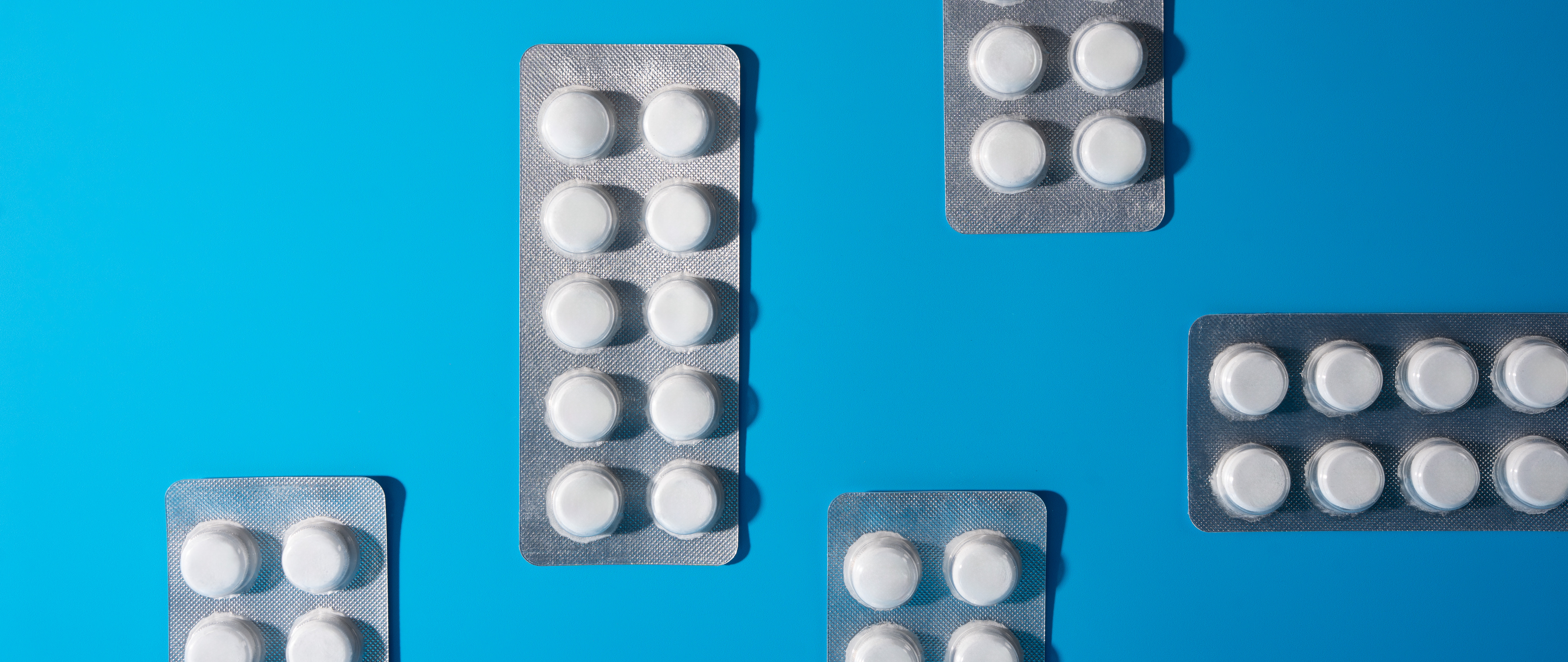
Aluminium blister packs provide individual protection for each dose, creating a moisture and oxygen barrier that remains intact until the consumer opens it. This format eliminates the repeated exposure that comes with multi-dose bottles and is particularly effective for capsule and tablet products.
Single-serve sachets and stick packs achieve similar unit-dose protection for powder formats. Foil-laminate materials with heat-sealed closures offer the highest barrier performance.
Bottles with Moisture Management
HDPE bottles with induction seals and integrated desiccant canisters are the most common packaging for probiotic supplements sold in multi-dose formats. The desiccant absorbs moisture from the headspace and any vapour that permeates the container walls.
PET bottles and standard screw-cap containers without desiccants provide inadequate moisture barriers for probiotics. They may be suitable for short-term products with refrigerated distribution, but they are not recommended for ambient shelf-life claims.
Matching Package to Distribution Conditions
A product that leaves the factory within specification can lose viability during shipping, warehouse storage, or retail display. Parcel delivery during summer months can expose products to sustained temperatures above 40°C. Fulfilment centres may not maintain climate-controlled conditions.
Your packaging strategy must account for the most demanding conditions the product will encounter, not just the controlled environment of a laboratory stability chamber. Selecting heat-resistant strains, choosing high-barrier packaging, and incorporating temperature indicators on shipping cartons all contribute to consistent viability at the point of consumption.

How to Validate Shelf Life for Oral Probiotic Products
A shelf-life claim is a business commitment that must be supported by product-specific stability data. The protocol should test the commercial formula in its final packaging under conditions that represent real-world storage.
Designing a Stability Protocol
Stability testing should measure CFU counts at defined intervals under controlled temperature and humidity conditions. The International Council for Harmonisation (ICH) guidelines provide a framework, but probiotic-specific adaptations are necessary because live organisms may not decline linearly.
According to research published in the International Journal of Nanomedicine, stable probiotic formulations require technologies such as microencapsulation, enteric coating, and carefully selected excipients to overcome the physicochemical and biopharmaceutical barriers that compromise viability.
Accelerated stability data can inform early development decisions, but it should not replace real-time testing. Different strains within the same blend may decline at different rates, meaning the worst-performing strain sets the shelf-life limit for the entire product.
Overage Strategy
Overage is the additional CFU count built into the product at manufacture to ensure the label claim is met at expiration. Effective overage planning works backwards from the end-of-shelf-life target, factoring in losses from processing, packaging, and storage.
Overages for probiotics can range from 20% to over 1,000%, depending on strain resilience and product design. A well-designed formulation minimises required overage by combining a stable dosage form with protective packaging and compatible excipients, rather than relying on large surpluses of expensive raw material.
What Makes Oral-Targeted Probiotics Different from Gut-Targeted Probiotics?
Most probiotic formulation guidance focuses on delivering organisms to the gastrointestinal tract. Oral-targeted probiotics operate under a different set of requirements because their site of action is the mouth, throat, and upper respiratory tract.
Site-Specific Colonisation
Oral probiotics need to adhere to the mucosal surfaces of the oral cavity and upper airways. Strains must be native to or adapted to this environment, with demonstrated ability to colonise and persist in the mouth. Generic gut-targeted organisms, such as most Lactobacillus or Bifidobacterium strains, are not adapted for oral colonisation and typically pass through the mouth without establishing themselves.
BLIS Technologies’ proprietary Streptococcus salivarius BLIS K12™ and BLIS M18™ strains originate from the oral microbiome itself. They are clinically proven to colonise the mouth and throat, producing antimicrobial peptides that inhibit pathogenic bacteria associated with sore throats, ear infections, dental caries, gingivitis, and halitosis.
Dosage Form Implications
Because oral-targeted strains act in the mouth, slow-dissolving formats like lozenges and chewable tablets are the preferred delivery method. These formats maximise contact time between the probiotic organisms and the mucosal surfaces where colonisation occurs.
Swallowable capsules, by contrast, carry the organisms past the oral cavity and into the stomach, bypassing the intended site of action entirely. For formulators working with oral-health strains, matching the dosage form to the mechanism of action is not optional. It is fundamental to product efficacy.
How to Choose a Formulation Partner for Oral Probiotic Supplements
Developing a probiotic supplement that meets its label claims through the end of shelf life requires a partner with specific capabilities in live-culture handling, stability testing, and regulatory compliance.
What to Evaluate in a Manufacturing Partner
Look for demonstrated experience with probiotic-specific processes: controlled-temperature blending, low-humidity environments, dedicated production lines (or validated cleaning protocols), and validated enumeration methods. The partner should be able to show you strain-specific stability data, not just generic claims about probiotic expertise.
Regulatory knowledge is equally important. Probiotic labelling requirements vary across markets, and CFU enumeration standards continue to evolve. A capable partner can guide you through GRAS (Generally Recognized as Safe) documentation, label claim substantiation, and market-specific compliance.
In Conclusion: Matching Dosage Form to Strain for Stable Oral Probiotics
Every formulation decision in oral probiotic development, from dosage form and excipient selection to packaging and distribution planning, influences whether the organisms on your label are still alive when a consumer takes them. There is no universal formula. The right approach depends on your strain, your target site of action, your distribution channels, and your shelf-life requirements.
For oral-targeted applications, lozenges and chewable tablets deliver organisms directly to the mouth and throat, where strains like BLIS K12™ and BLIS M18™ are clinically proven to colonise and protect. For gut-targeted applications, capsules and powders with appropriate moisture and oxygen barriers remain the standard.
FAQs About Oral Probiotic Dosage Forms
What is the most stable dosage form for oral probiotic supplements?
Hard-shell HPMC capsules with desiccant packaging offer strong moisture and oxygen protection for freeze-dried probiotics. For oral-health strains that target the mouth and throat, lozenges formulated with low-moisture matrices provide both stability and effective site-specific delivery.
Why are lozenges preferred for oral probiotic strains like BLIS K12™?
Lozenges dissolve slowly in the mouth, allowing probiotic organisms to colonise the oral cavity and upper respiratory tract directly. Blis Technologies formulates its BLIS K12™ lozenges to maximise contact time between the clinically proven strain and the mucosal surfaces where it produces antimicrobial peptides.
How does moisture affect probiotic viability in different dosage forms?
Moisture reactivates freeze-dried organisms prematurely, consuming their energy reserves without a nutrient supply. Capsules and sealed sachets offer lower moisture exposure than tablets or multi-dose powder containers.
Can oral probiotics be formulated as softgels or liquids?
Softgels and liquids are rarely used for probiotics because their high moisture content compromises viability. Analytical testing has shown that standard freeze-dried cultures do not survive softgel encapsulation. Liquid formats require refrigeration and have shorter shelf lives, which limits distribution flexibility.
What excipients help stabilise oral probiotic formulations?
Trehalose, maltodextrin, and silica are commonly used to protect probiotic organisms during freeze-drying and storage. These excipients form protective matrices and manage moisture. Blis Technologies uses compatible excipients in its formulations and offers stability testing services to validate viability through the full shelf life.
How do you determine the right CFU overage for a probiotic supplement?
Effective overage planning starts with the end-of-shelf-life CFU target and works backwards, accounting for losses during manufacturing, packaging, and storage. Strain-specific decline data, real-time stability testing, and package barrier performance all inform the calculation. A well-designed dosage form and packaging system reduces the overage needed.